15 Years Of Experience In Auto Servicing
Today, we are proud to be an ISO certified company recognized for our excellence, safety and craftsmanship. Whether you're dealing with a minor ding or a major dent repair, our experienced team is dedicated to restoring your vehicle to its original condition with precision and care.
Quality Servicing
Expert Workers
Modern Equipment
Excellent service
Timely delivery
Machanicle Repair
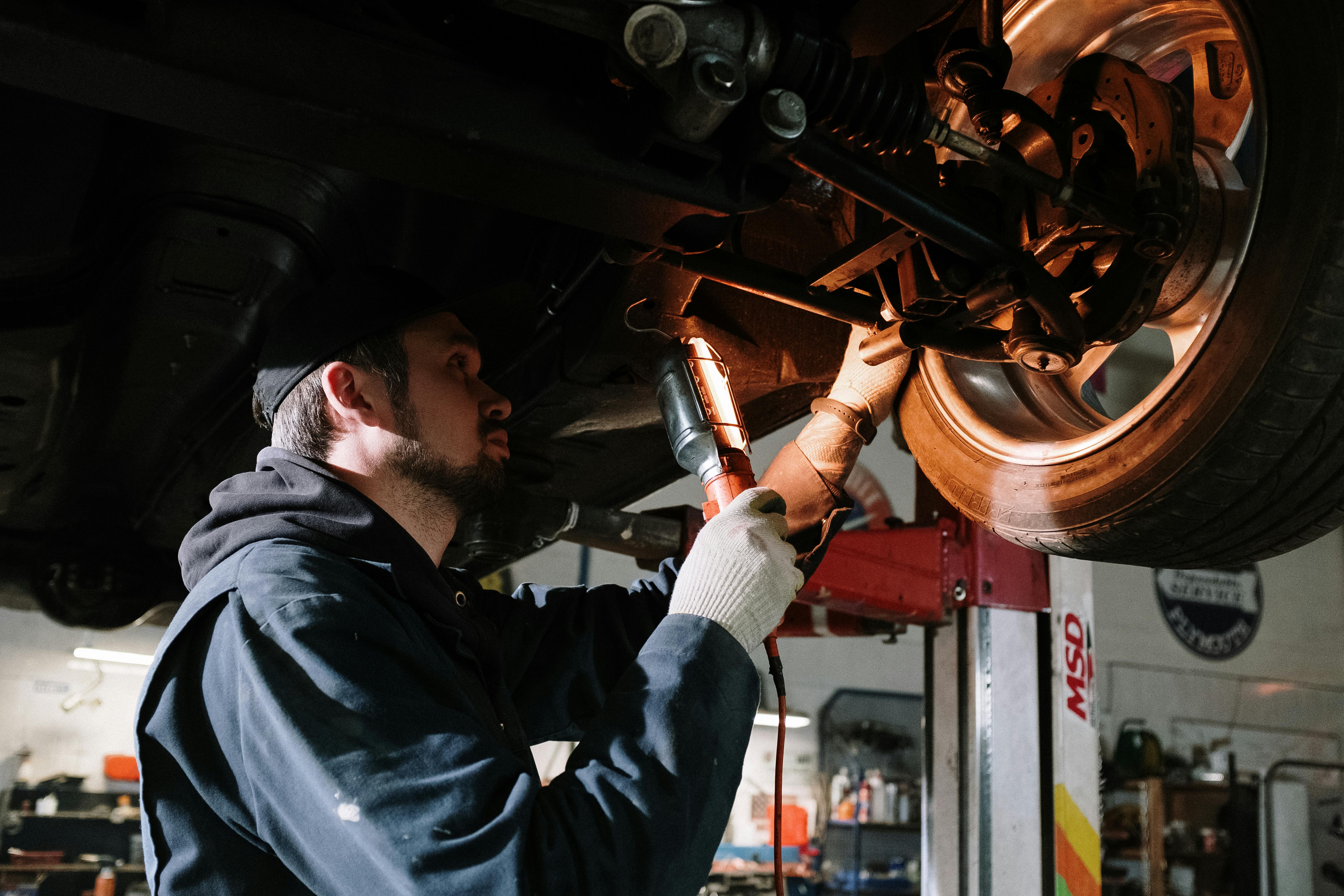
Mechanical repair involves maintaining and fixing a vehicle’s key systems, including the engine, transmission, suspension, and drivetrain. Engine repairs address issues like worn parts, overheating, or power loss. Transmission work focuses on problems with shifting, slipping gears, or leaks. Suspension repairs ensure ride comfort and safety by fixing components like shock absorbers and control arms. Drivetrain maintenance keeps power delivery smooth between the engine and wheels. Technicians use diagnostic tools to detect issues, and regular maintenance—such as oil and filter changes—helps extend vehicle life and prevent expensive repairs.
Hybrid Repairs
Hybrid repair requires specialized expertise due to the unique combination of internal combustion engines and electric propulsion systems. Key components include the high-voltage battery pack, which must be handled with care during repairs or replacement. Technicians also maintain electric motors and regenerative braking systems, which capture energy during braking. Proper integration between electric and gas systems is crucial for optimizing performance and fuel efficiency. Advanced diagnostic tools help identify issues in hybrid-specific components, and regular maintenance ensures the vehicle runs efficiently and maintains its fuel economy.
Accident Repairs
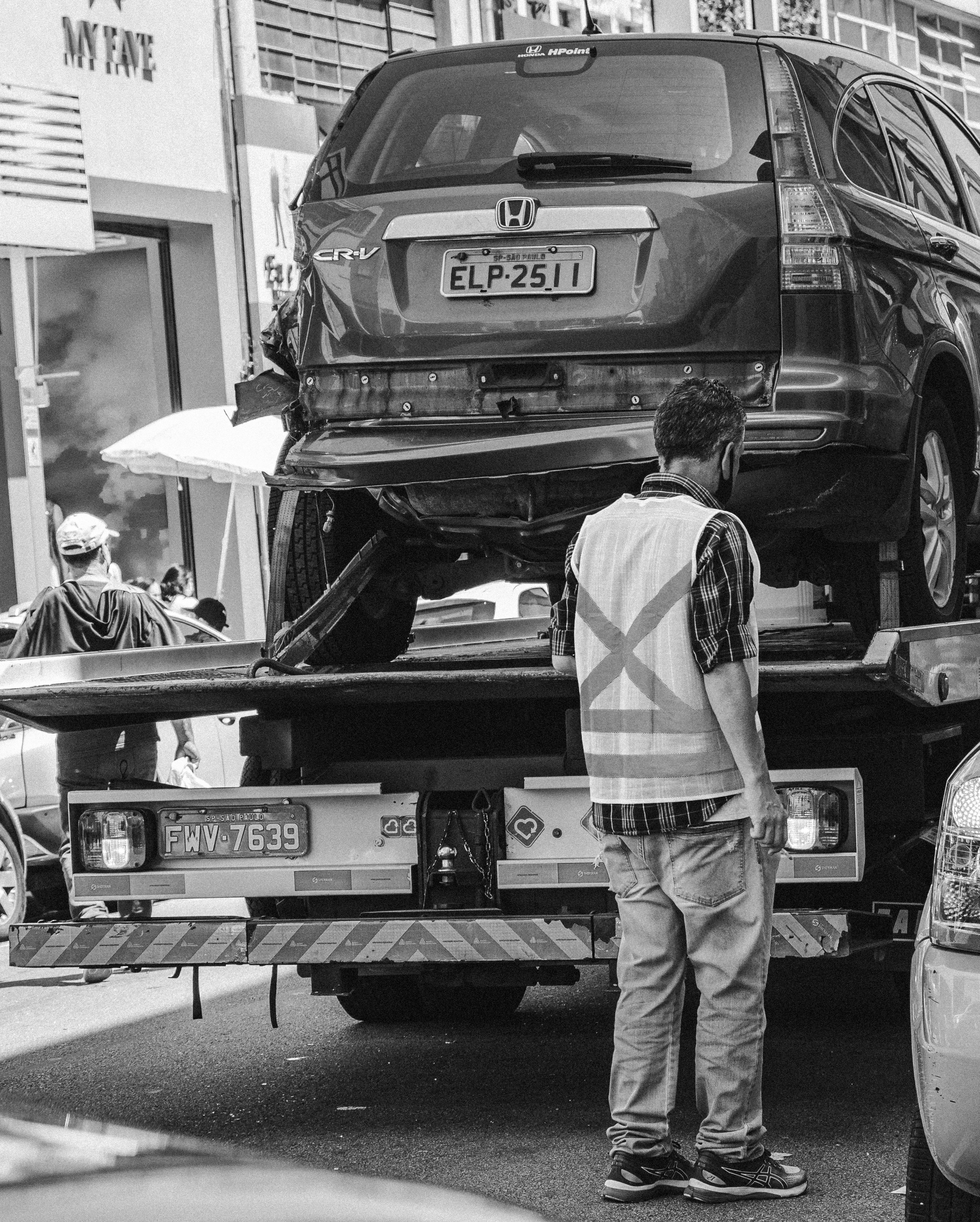
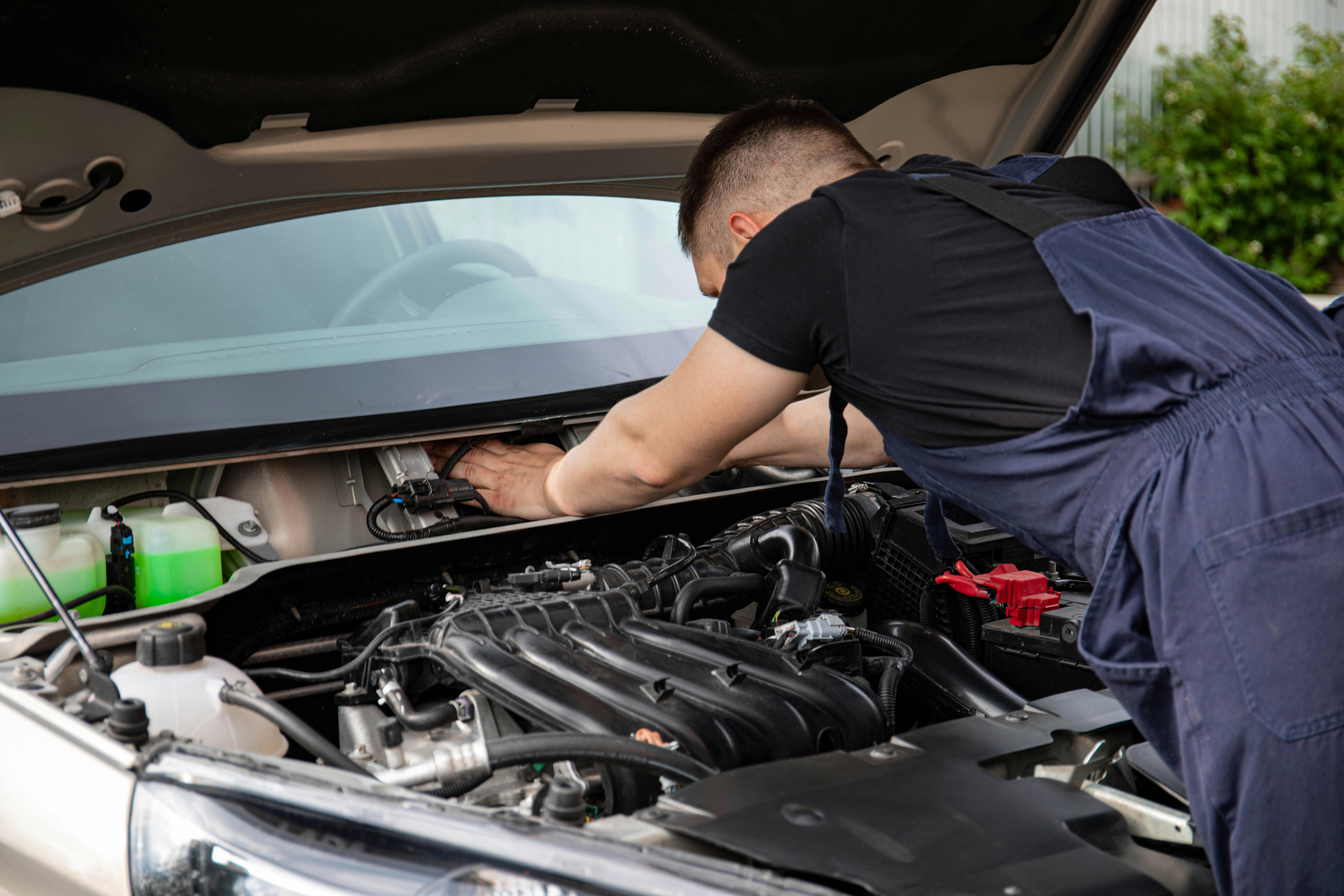
Accident repair is a detailed and multifaceted process aimed at restoring a vehicle to its pre-accident condition. This repair category typically begins with a thorough assessment of the damage, which includes both visible and structural issues. Technicians use frame alignment machines to measure and correct any misalignment of the vehicle’s chassis or frame, ensuring that it meets manufacturer specifications. Proper alignment is crucial for the vehicle’s safety and handling.
Body repair involves fixing or replacing damaged panels, bumpers, and other exterior components. This process often requires skilled metalworking and welding to restore the vehicle’s body to its original shape. After the bodywork is completed, the vehicle undergoes a refinishing process, which includes sanding, priming, and painting to match the original color and finish. Advanced paint booths with computerized color matching systems ensure that the paint job is seamless and durable.
Accident repair also addresses any damage to safety features such as airbags, sensors, and driver-assistance systems. These components must be inspected and replaced if necessary to ensure that they function correctly and provide the intended protection in future collisions. Post-repair inspections and test drives are conducted to verify that all repairs have been performed correctly and that the vehicle meets safety and performance standards.
Electricle Repairs
Vehicle electrical repair involves identifying and resolving problems within the intricate electrical systems that operate modern cars. These systems include components such as the battery, alternator, wiring, and various electronic control units (ECUs). Electrical issues often appear as difficulty starting the engine, dim lights, malfunctioning electronic features, or dashboard warning signals.
The battery is a vital part of the system, supplying power to start the vehicle and run accessories. Faulty or corroded batteries can cause starting failures or other electrical problems, so technicians routinely test their condition. The alternator is equally important, as it recharges the battery and powers the system while the engine runs; a malfunctioning alternator can lead to drained batteries and system failures.
Wiring problems are often complex, involving damaged wires, loose connections, or short circuits. To locate these faults, technicians use advanced diagnostic tools that trace electrical circuits. Modern vehicles also contain multiple ECUs that control functions such as the engine, transmission, and infotainment systems, which require specialized diagnostic software for accurate repair.
Electrical repairs also cover components like lighting, power windows, and climate control systems. Keeping these systems properly maintained is crucial for the vehicle’s reliability and safety, while regular inspections help prevent minor electrical issues from turning into major, costly repairs.